
Construction Project Management in Portland
Channel Construction LLC coordinates the schedule, permits and daily progress on your project, and tells you where things stand as the work goes. You get one clear picture instead of stitching it together from separate conversations.
The work on site is only part of a construction project. Someone also has to tie the agreed plans to the people, approvals and materials it takes to build them.
Settle who does what before work starts. Your agreement should name who coordinates the contractors, who handles the permit tasks and who can sign off on work.
It should also keep management separate from design and specialist services. An architect draws, an engineer advises and a contractor installs, and those are different jobs. Knowing who owns what tells you where to take a question.
A home addition needs that clarity as much as a renovation with several trades on site.
What Residential Construction Project Management Should Cover
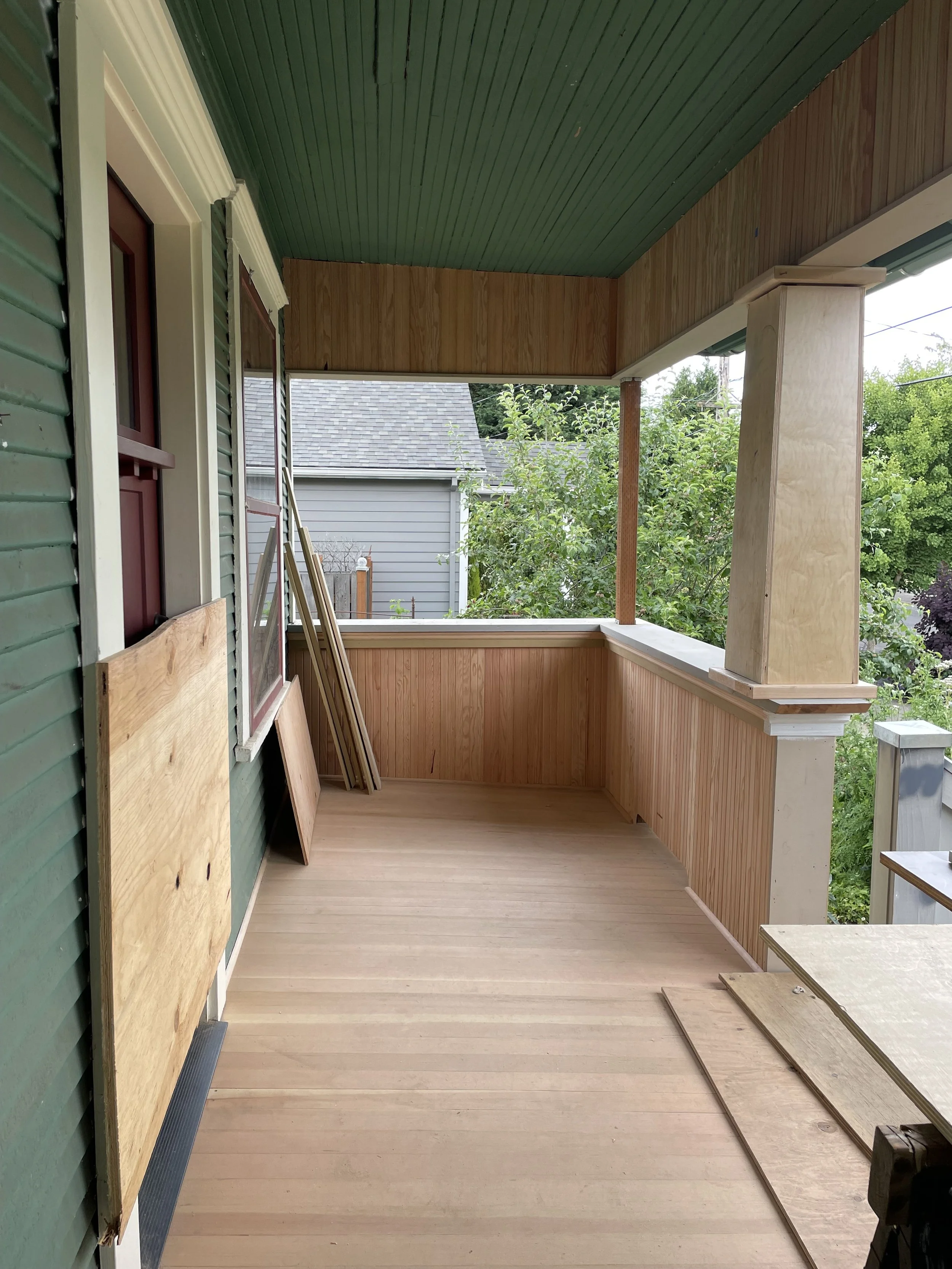
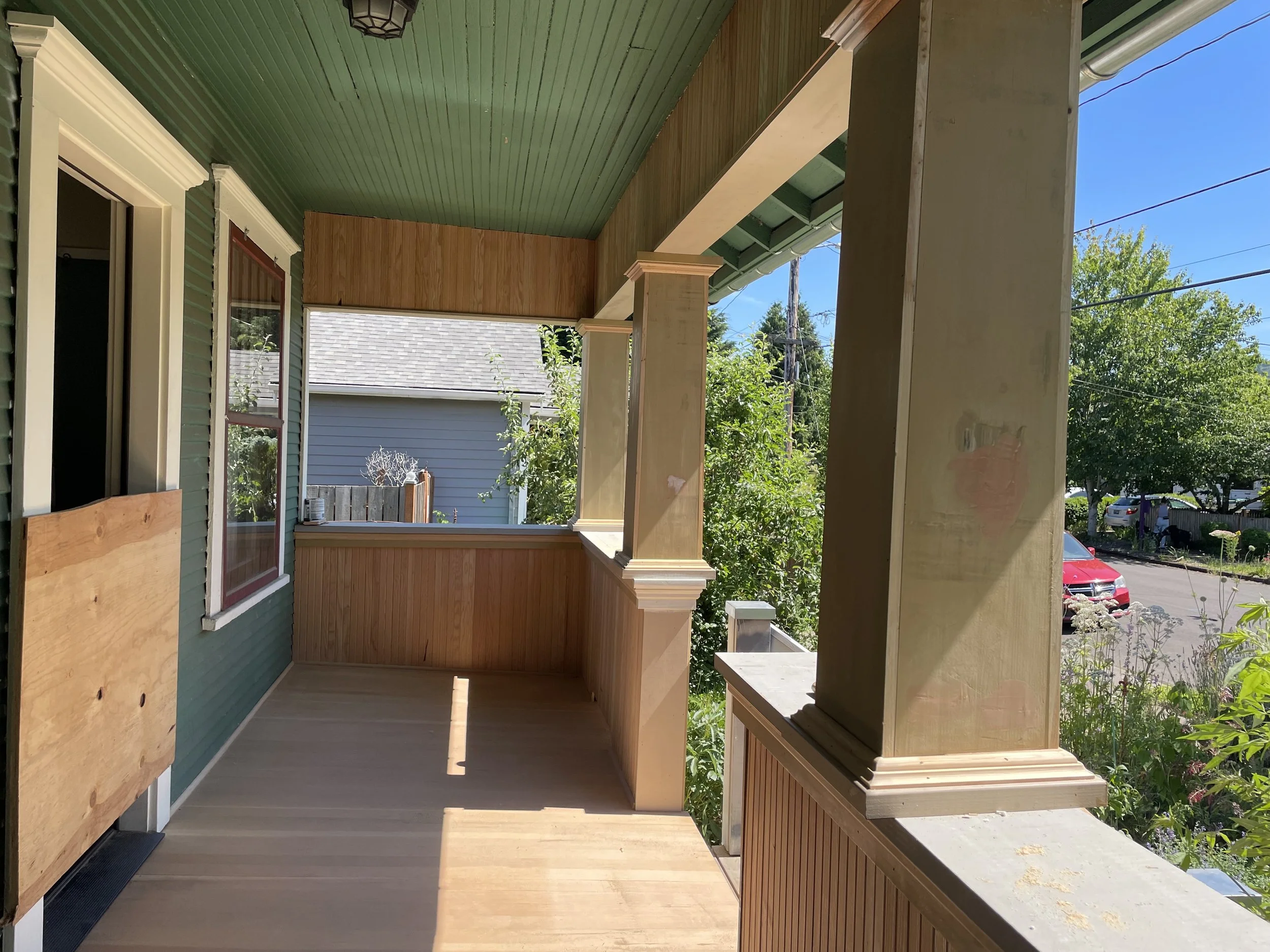
Construction Scheduling That Accounts for the Next Step
A useful schedule explains what must happen before the next stage can start. A delivery date means little if the area is not ready for installation.
Connect Trades, Deliveries, and Inspections
Trade availability, material arrivals, and applicable inspections need to be considered together. Portland’s residential inspection guidance identifies inspections at different construction stages; the sequence depends on the work being performed.
The schedule should reflect those dependencies rather than treat every task as independent. When something changes, the important question is which later activities are affected and what needs to be rearranged.
Make Homeowner Decisions Visible
Some decisions need to happen well before installation. A fixture selection, for example, may affect what is ordered or prepared.
Keep outstanding selections alongside their decision dates. You should know which choices are urgent and which can wait, rather than receiving every question at once. If an option becomes unavailable, review the replacement before it is ordered.
A revised layout or newly discovered condition can change the agreed work. Before a variation proceeds, separate the reason for it from the proposed solution.
A written change record should explain:
What is being added, removed, or revised.
How the price changes.
Whether the schedule is affected.
Whose approval is required.
Keep optional upgrades distinct from work needed to address an existing condition. That separation helps you assess the decision on its own merits.
An allowance also deserves attention. If the contract includes a provisional amount for an item that has not been selected, establish how the final cost will be reconciled. An estimated amount should not be mistaken for a confirmed purchase price.
Construction Budget Management When Plans Change

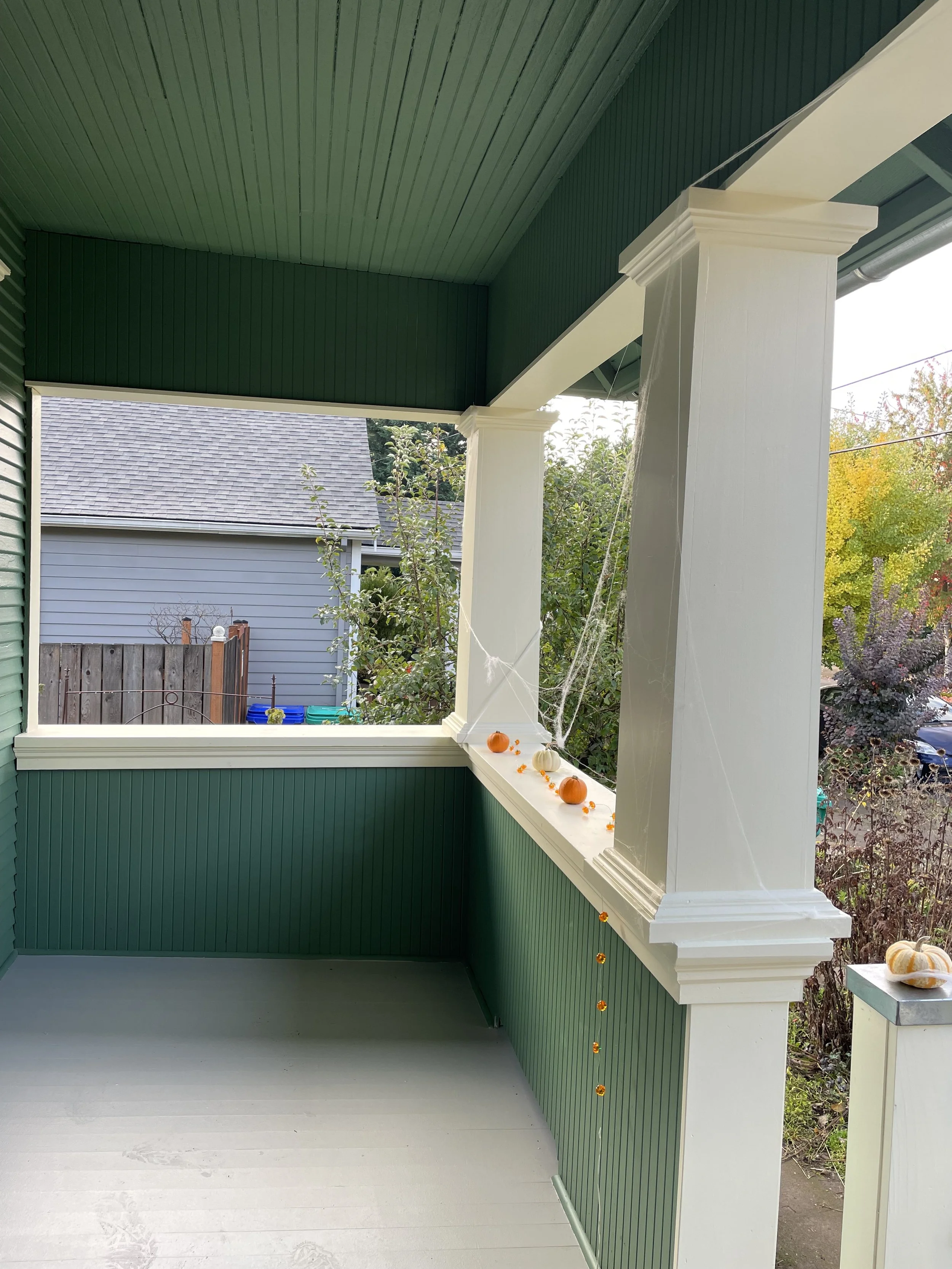
Keep Unfinished Work Visible Until the End
Near the end of a project, the small leftover items need a record of their own. The walkthrough should separate what is finished from what still needs adjusting.
Put it in a written list that names each item, who is responsible for it and where it stands. Gather the project paperwork alongside it, including any inspection records and product information.
That gives you a clean handover. You can see what is done and what is still open without relying on memory or a trail of messages.
Frequently Asked Question
-
Raise it while the project is being defined, before separate commitments are made to suppliers or contractors. If you already have plans or estimates, bring them to the discussion so the management requirements can be considered against the work proposed.
-
Confirm this directly with Channel Construction LLC. Management provided within a construction contract is different from independently overseeing another builder. Explain whether you need a contractor to carry out the work or coordination support for an existing team.
-
Ask how management is represented in the proposal. It may be included in the construction price or identified separately, depending on the agreement. Confirm what the fee covers rather than comparing percentages or totals without context.
-
Discuss this before making further commitments. Share their proposed scope and availability so Channel Construction can assess the arrangement. Responsibility for supervising, paying, and communicating with independently appointed contractors needs to be established.
-
Agree on how questions will reach you and who can respond when you are unavailable. You may still need to make selections and approve changes. If several household members are involved, identify a shared way to communicate final decisions.